Digital Nomad Visa Checklist: Documents You Need for 2024
Most digital nomad visa refusals don't happen because someone earned too little or picked the wrong country. They happen because a bank statement arrived unstamped, a police certificate was six months old, or an insurance policy didn't cover repatriation. The paperwork is the application. Everything else is admin.
The core documents nearly every application asks for
Portugal's D8, Spain's remote worker visa, Greece's digital nomad permit, Croatia's and Estonia's equivalents — they differ in detail but share the same spine. Expect to provide:
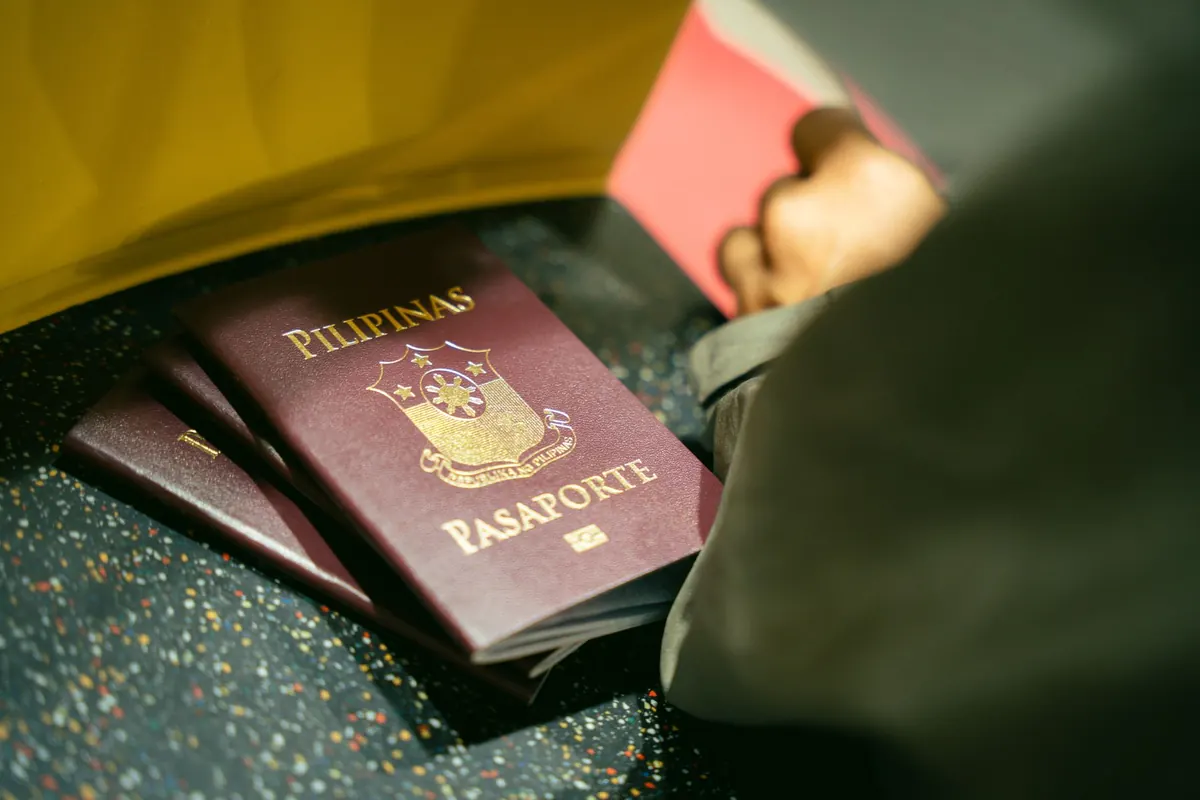
- A passport valid for at least six months beyond your planned departure, with blank pages. Dig out old passports if they contain previous visas.
- Two recent photographs matching the destination's size and background rules. UK-standard photos are not always accepted.
- Proof of remote work: an employment contract that permits remote working, a letter from your employer confirming it, or freelance client contracts and recent invoices.
- Proof of income or savings, usually three to six months of bank statements.
- Health insurance covering the whole stay.
- Accommodation proof — a lease, rental agreement or long booking.
- A criminal record certificate from the UK.
- Occasionally a CV, degree certificate or cover letter explaining what you do and why you're going.
Format matters as much as content. If the checklist says original, a scan won't do; if it asks for a certified translation, a machine-translated printout will come straight back. Read the consulate's own list twice, because third-party blogs copy each other and go stale. For example, Portugal's consulate in London may insist on bank statements stamped and signed by the bank, while the Spanish consulate might accept a PDF with a digital verification code — but only from certain banks. Always confirm with the specific consulate handling your case.
Proving income without tripping up
This is where most self-employed applicants stumble. Visa officers look for a pattern, not a peak. Three months of steady income beats one large deposit that landed three weeks before your appointment — that looks like manufactured savings, and it invites questions.
If you're employed, payslips and a contract usually cover it. If you're freelance, be ready with a SA302 and tax year overview from HMRC, a letter from your accountant on letterhead, and a summary sheet showing monthly income converted into the local currency.
Statements are the fiddly bit for UK applicants. High street banks can stamp and sign printed statements; app-based banks often issue a PDF with a verification code instead. Some consulates accept that, some don't. Ask before you pay for anything.
Income thresholds are usually pegged to something local — Portugal's D8, for example, is tied to the Portuguese minimum wage, so the figure moves each year. Never work from an old blog post. Check the consulate page the week you apply.
Freelancers: what to prepare
- SA302 and tax year overview from HMRC for the last one or two tax years.
- A letter from your accountant on letterhead, confirming your self-employment and income.
- Recent client invoices and contracts, ideally showing ongoing work.
- A summary sheet with monthly income converted into the local currency at the current exchange rate.
If your income is lumpy, explain why. A cover letter noting seasonal work or a one-off project can preempt questions and show that you understand your own finances.
Health insurance that actually passes the check
A GHIC card is not health insurance and won't satisfy a visa officer.
Schengen countries typically want at least €30,000 of cover, including medical treatment, hospitalisation and repatriation, valid for your entire stay. Outside Europe, requirements vary but the shape is similar.
When you buy, ask the insurer for a visa letter in English that names the country and the exact dates of cover. Tell them it's for a visa application — most insurers have a standard document for this. Check the small print on pre-existing conditions, and on whether the policy covers you while you're working remotely, since a few travel policies exclude anything resembling work.
The visa letter: three things it must say
- Your full name as it appears on your passport.
- The destination country and the exact dates of cover, matching your visa period.
- Minimum coverage amounts, including medical treatment, hospitalisation and repatriation.
Ask the insurer to email it as a PDF. Print two copies: one for the consulate, one for your file. If your policy renews mid-stay, make sure the letter covers the full visa duration, not just the first year.
Police certificates, apostilles and translations
UK applicants usually need an ACRO Police Certificate, applied for directly from ACRO. It arrives by post and takes a few weeks, longer in busy periods, so order it early. Most consulates want it issued within three to six months of your application, which means timing matters more than you'd expect.
If you've lived in another country for six months or more in the last five years, you may need a police certificate from there as well. The process varies: the FBI in the US, the RCMP in Canada, or state police in Australia. These can take months, so start early. Once you have your certificate, it may need an apostille — a formal certification that verifies the signature on a public document. In the UK, the Legalisation Office issues apostilles. Some countries also require a certified translation if the document isn't in their language. Use a translator recognised by the consulate, and keep a copy of everything.
Timing: the document calendar that saves you
A visa application is a sequence, not a pile. Work backwards from your intended departure date. Police certificates: four to eight weeks. Apostilles: one to two weeks. Bank statements: must be recent, often within 30 days. Insurance: same. Translations: a few days. If you're applying in peak season — spring and early summer — add two weeks to everything.
Start with the documents that take longest. Order your police certificate first, then book your insurance, then gather income proof. Don't pay for flights until you have the visa in hand — most consulates explicitly warn against it, and some refuse to process applications that include non-refundable travel bookings.
Common mistakes that sink applications
- Using a bank statement older than the consulate's stated window. Three months is common, but some ask for one month.
- Sending a scanned copy when an original is required. If you must mail originals, use tracked delivery and keep copies.
- Forgetting to sign the application form. It sounds trivial, but it happens.
- Assuming your insurance covers everything. Check repatriation, working remotely, and the exact dates.
- Ignoring the consulate's jurisdiction. You usually apply in the country where you legally reside, not the one you're visiting.
- Leaving gaps in your employment history. If you took a career break, explain it in a cover letter.
The best application is boring. Clear, complete, and exactly what the checklist asked for. Officers don't reward creativity; they reward compliance.
Once submitted, keep tracking numbers and copies. Some consulates email; others post. Expect a wait of two to eight weeks, longer for busy destinations like Portugal and Spain. If you're refused, the letter will usually say why. Fix that specific issue and reapply — most refusals are not permanent bans, just incomplete paperwork.
Photo: Kenneth Surillo / Pexels